
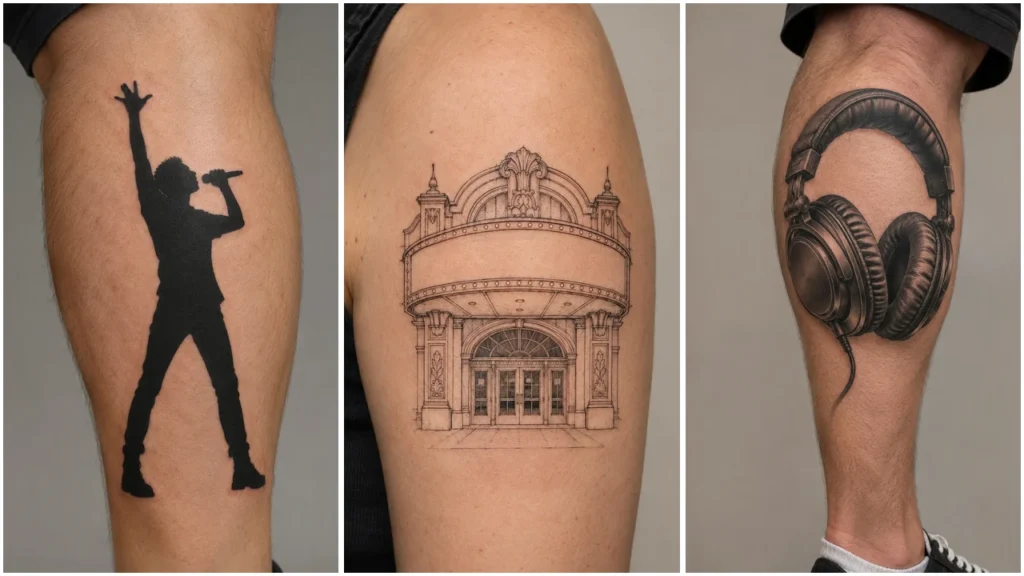
Singer tattoos can celebrate your own voice, a memorable performance, or hearing a favorite artist live. These 20 ideas focus on designs for vocalists and music fans, with stage scenes, singing motifs, personal words, and performance gear. Start with what you want to remember, then compare styles and placements.
The images planned here are tattoo concepts for inspiration. Use your chosen idea as a starting point for a design tailored to you.
Stage and Performance Singer Tattoos
Choose a solo figure for an individual connection to singing, or a fuller scene to capture the people and places around it.
1. Solo Singer Silhouette
A raised arm gives this simple silhouette its stage presence.
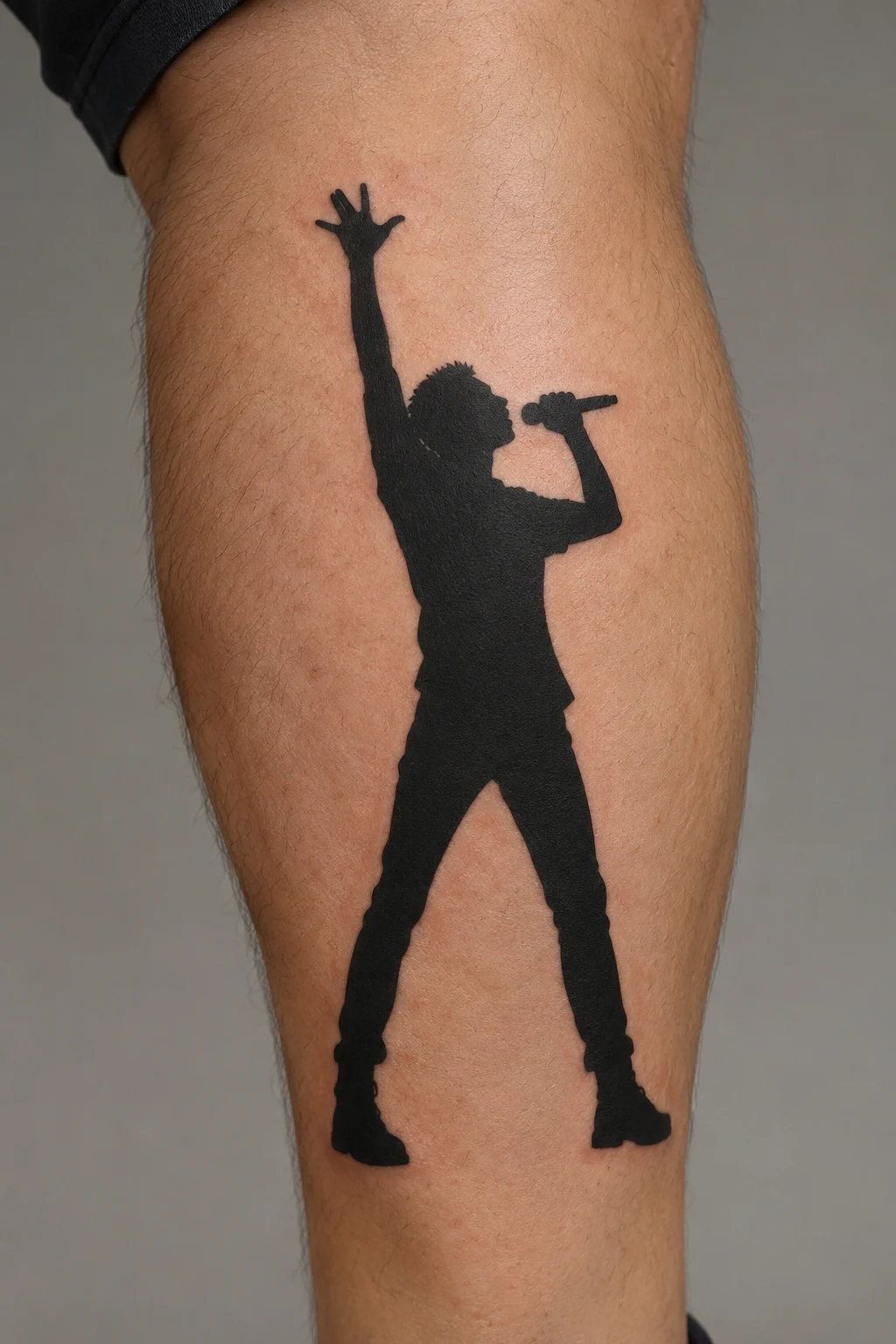
Let the pose carry the emotion: an open stance, tilted head, or lifted arm can suggest your favorite performance moment. This suits someone who wants a singer figure without depicting a recognizable celebrity.
2. Harmony Trio
Three singing profiles turn shared vocals into a compact composition.
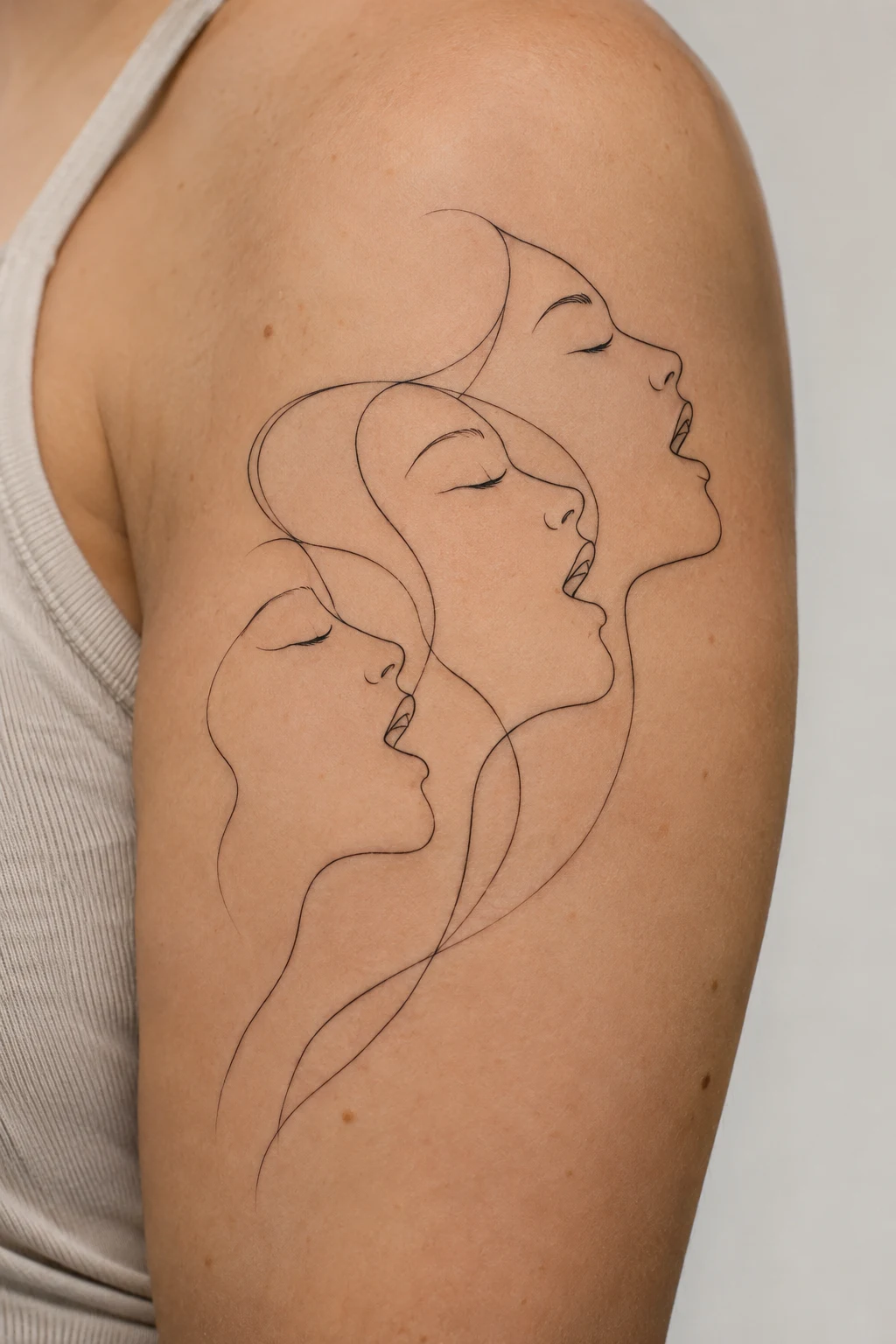
Choose this for a connection to choir, backing vocals, or singing with friends. Keep each profile readable within the overlap; the number of figures can represent your own group if three has personal relevance.
3. Singer Framed by Stage Curtains
Arched curtains give a small performer a theatrical setting.
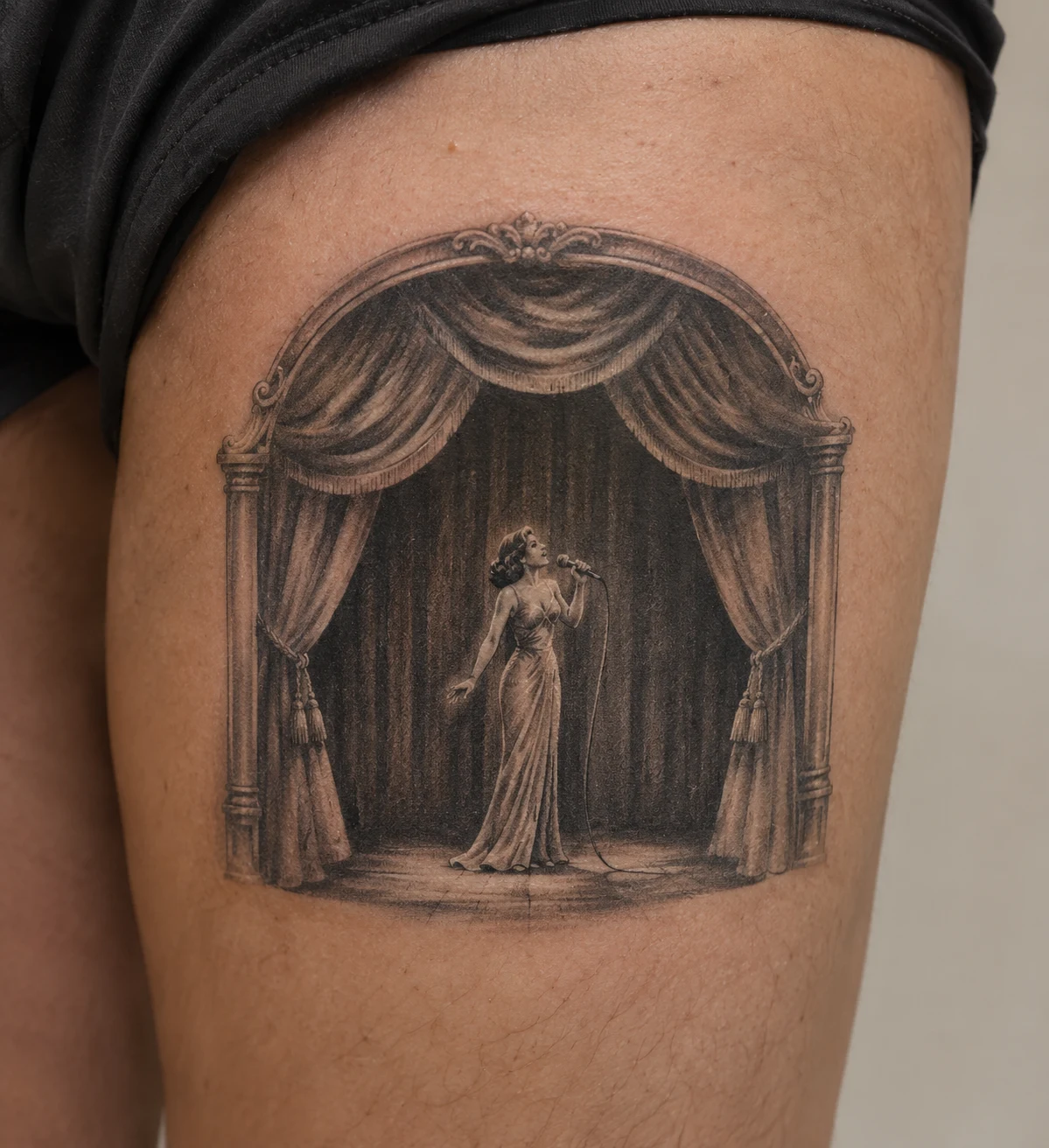
This is a direction for musical theatre fans or singers remembering a stage role. Decide whether the curtain folds or the performer should command attention, then simplify the other element around that choice.
4. Crowd Hands Beneath a Performer
Raised audience hands bring the concert experience into the design.
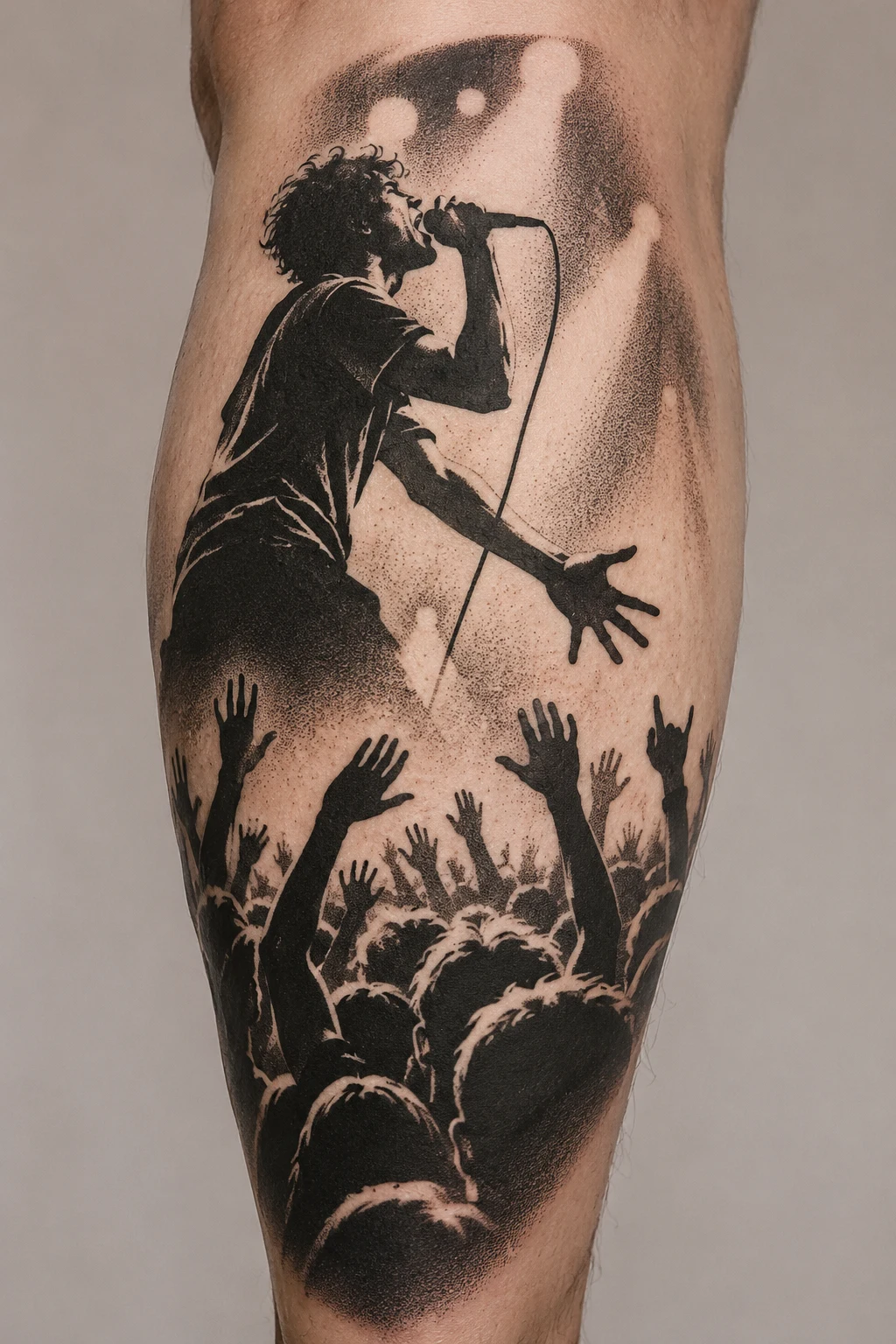
For fans who remember singing along with a roomful of people, the crowd may matter as much as the performer. Discuss enough space to distinguish the hands from the figure above them.
Voice and Singing Motifs
These ideas put the act of singing at the center, using expressive faces, flowing shapes, or a personal recording.
5. Singing Profile With Flowing Lines
An open-mouth profile sends three fine lines outward.
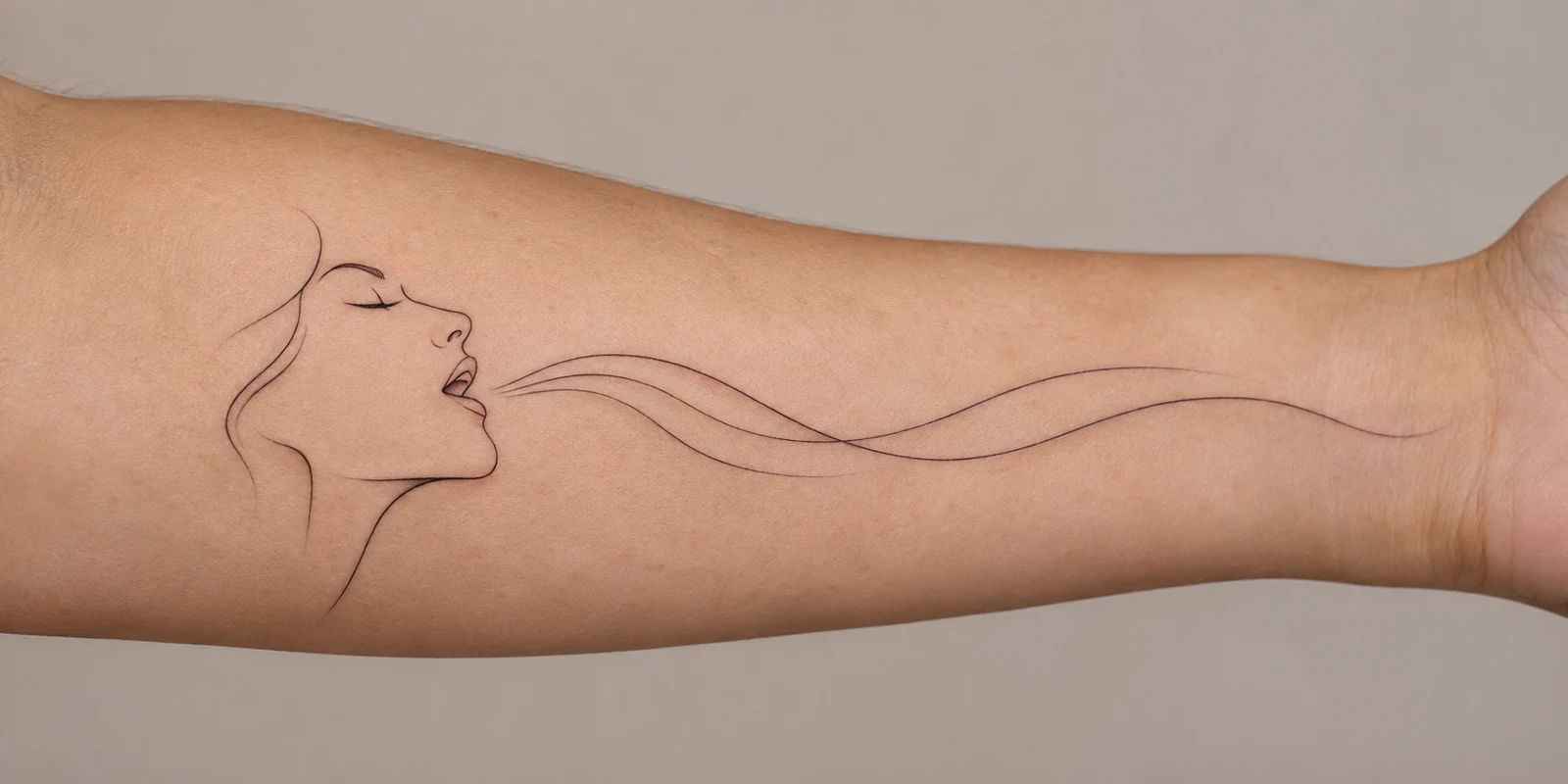
The lines are a decorative interpretation of sound. Choose this if you want a singing tattoo without equipment, and decide whether a recognizable facial outline or the movement of the lines matters more.
6. Personal Vocal Recording Waveform
A horizontal waveform gives a sung phrase an abstract shape.
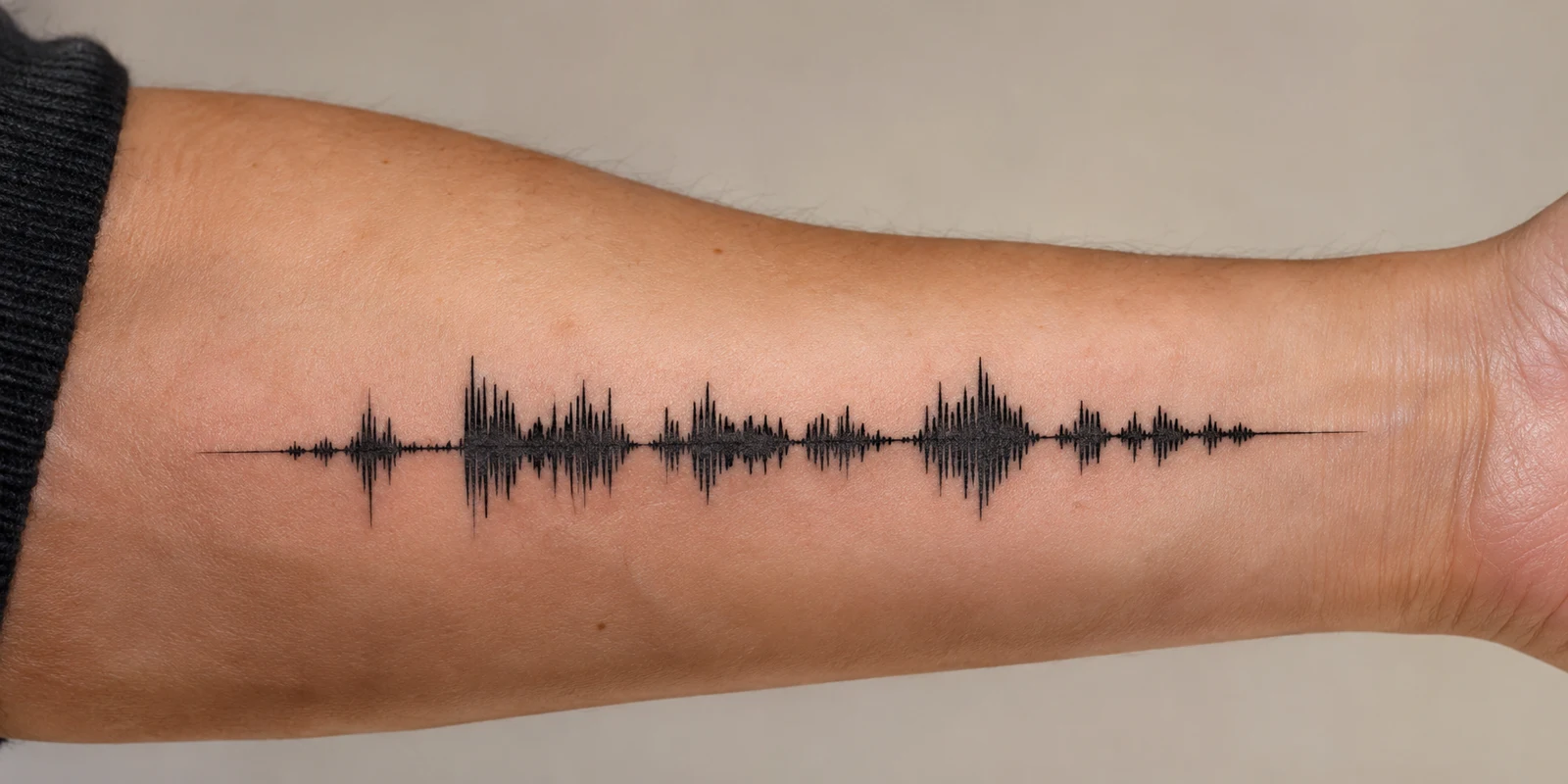
Supply a recording of your own voice or another personally meaningful vocal moment if accuracy matters. Have the artwork checked against that recording; a decorative waveform doesn’t establish a sound match or make the tattoo playable.
7. Sustained Note With a Fermata
One note and a fermata keep the composition spare.
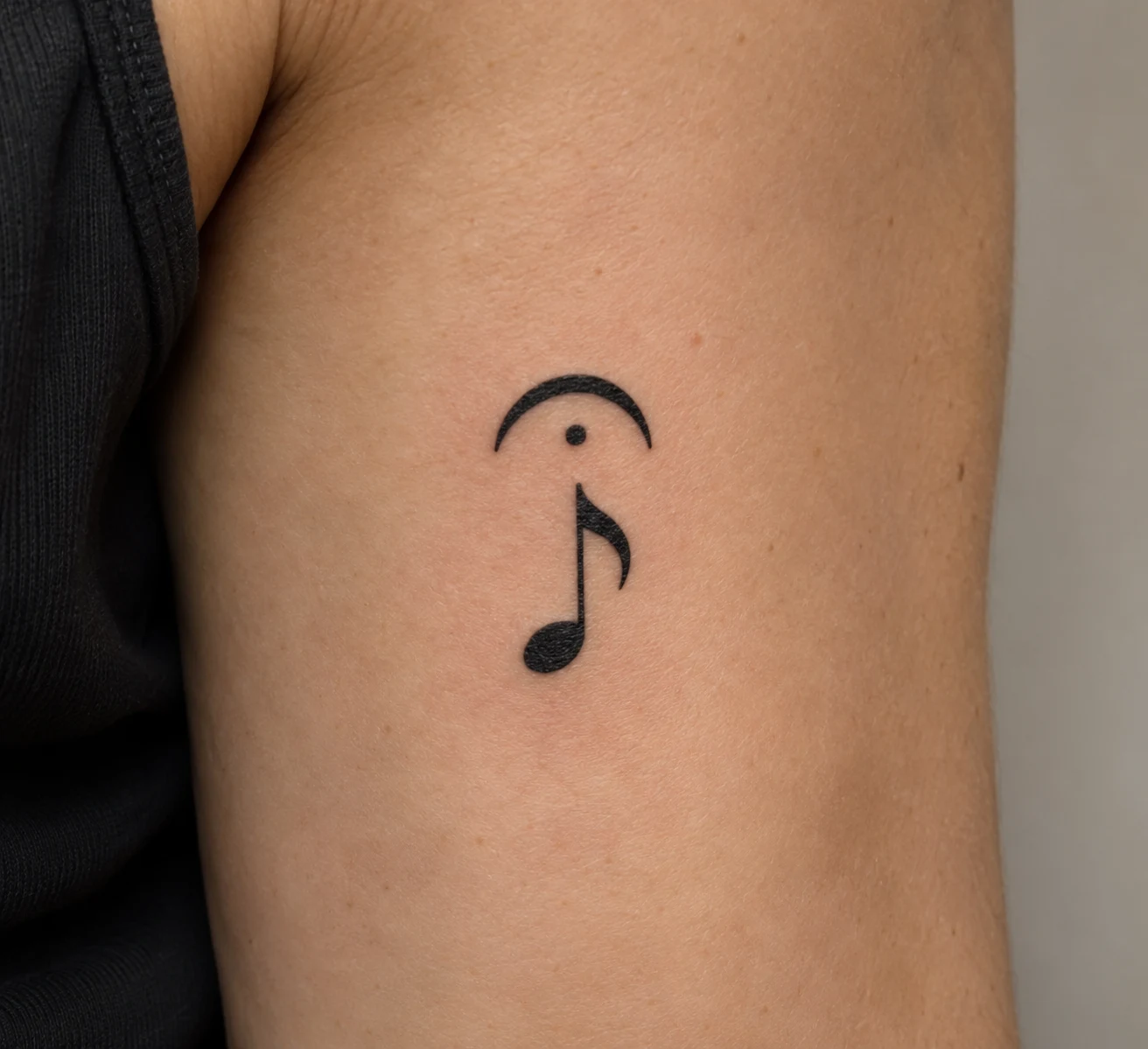
A fermata indicates holding a note beyond its written duration. It could connect to a memorable sustained note or your enjoyment of lingering on a phrase. Confirm the notation before approving the artwork.
8. Breath Becoming a Ribbon
A broad ribbon unfurls from a small singing profile.
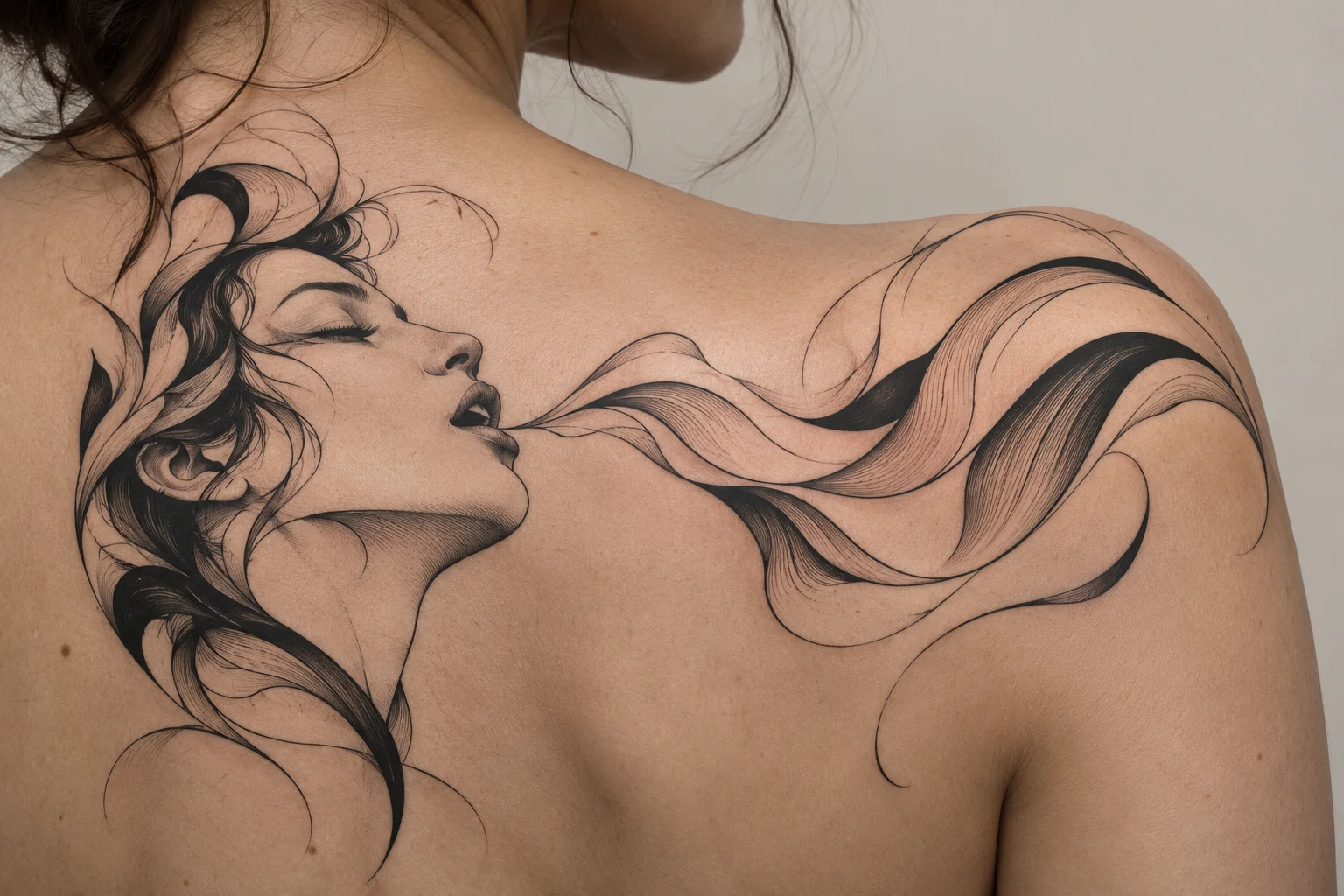
Unlike the delicate lines in idea five, this design uses a substantial flowing shape. It suits vocalists who want a personal reminder of breath and phrasing, with room for an abstract curve across the shoulder blade.
Performance Memories
Build these designs around your own dates, places, and songs. Select the details that make the memory recognizable to you.
9. First Performance Date
Evenly spaced numerals mark a private milestone.
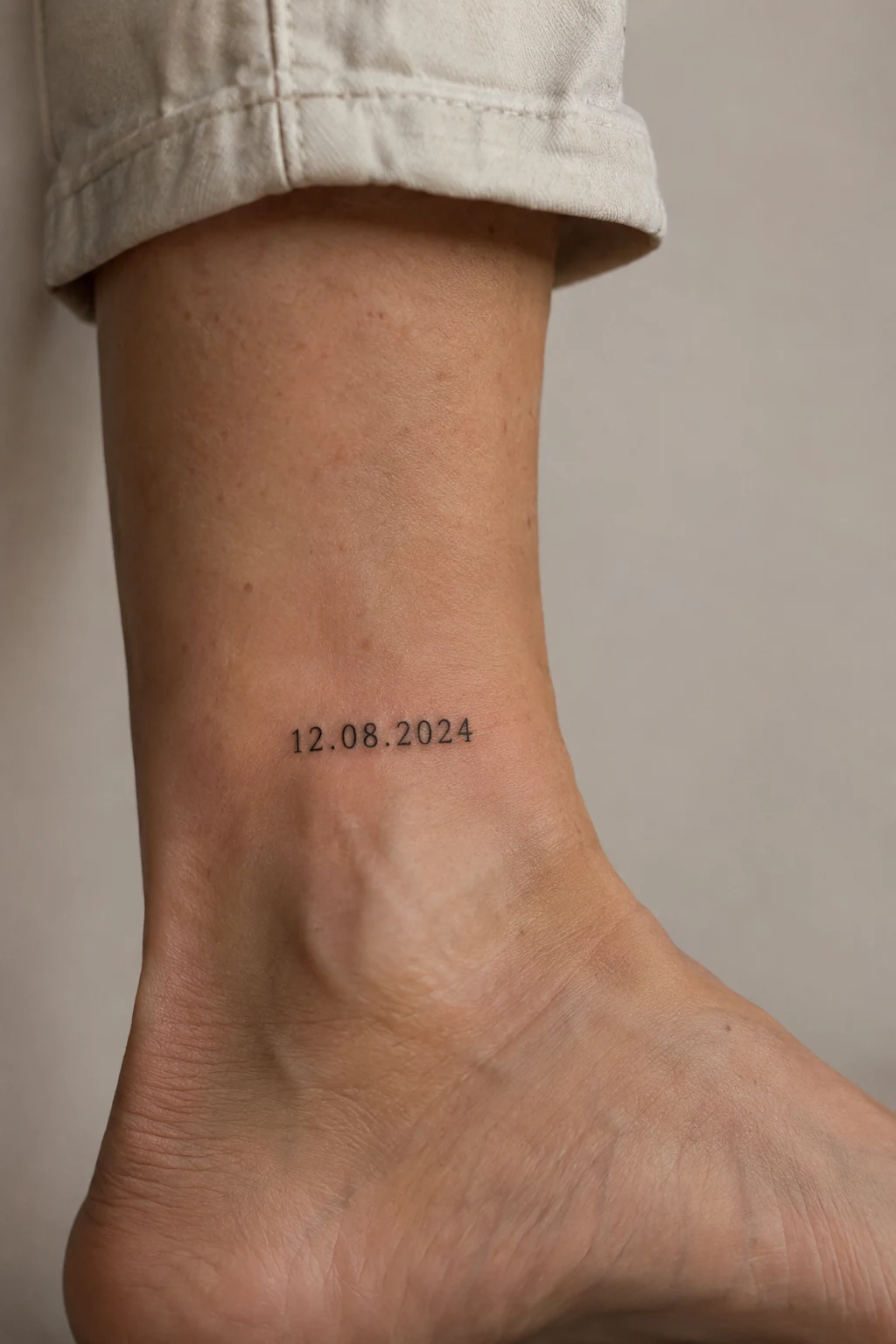
Your first solo, audition, or public performance could supply the date. Choose a date format you find immediately clear, and check every numeral in the stencil before committing to it.
10. Concert Ticket Keepsake
A scalloped ticket outline frames a few meaningful details.
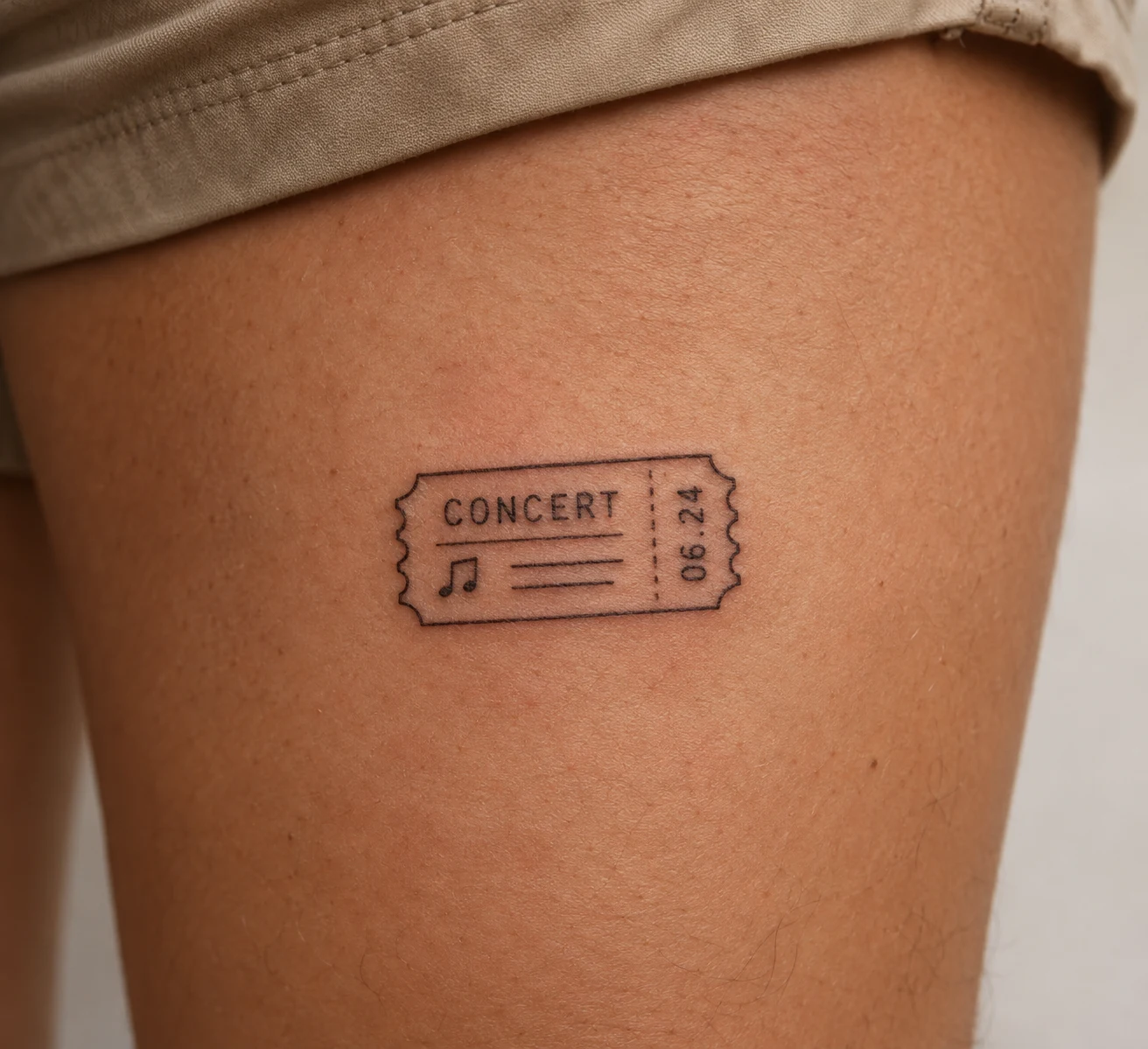
Use a real event date and a short label drawn from your memory or ticket. Prioritize the details you care about most instead of squeezing an entire ticket’s wording into the design.
11. Venue Facade
A theatre entrance makes the place itself the keepsake.
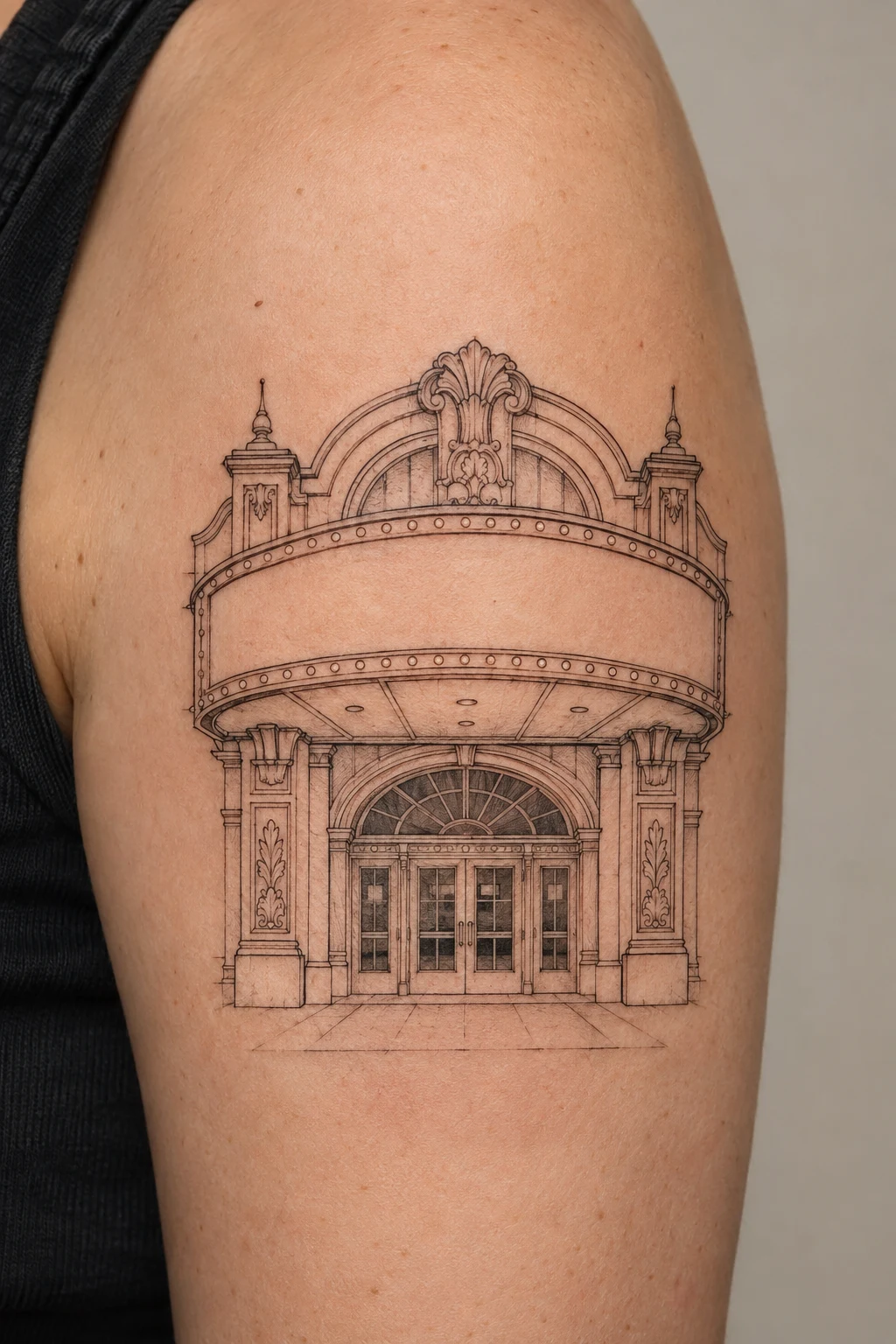
This could commemorate a debut or a concert you still think about. Supply a reference of the actual venue, then identify its defining doorway, sign shape, or architectural feature before simplifying the facade.
12. Handwritten Setlist
A paper outline holds a short sequence of songs.
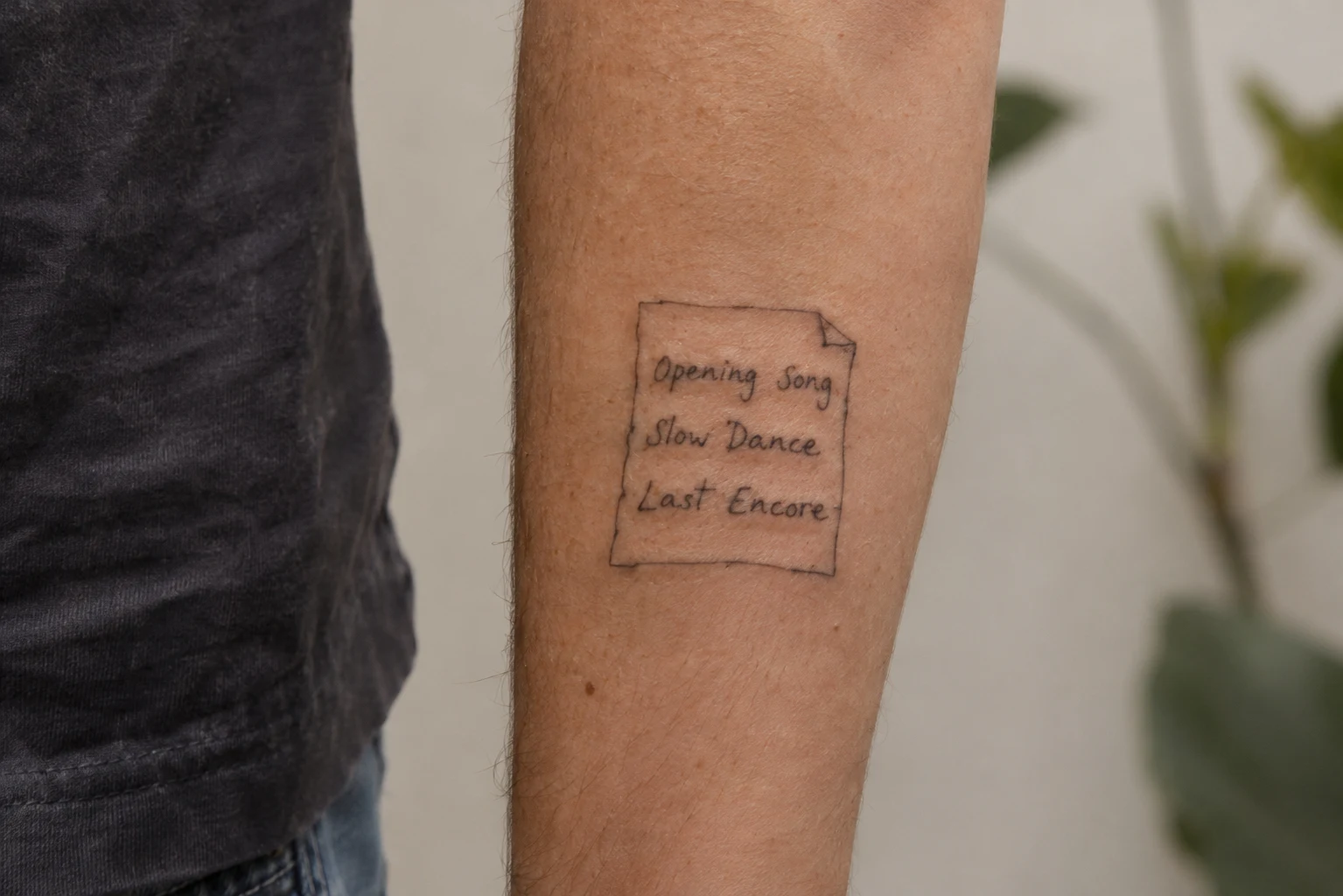
Narrow the setlist to two or three short song titles that capture the performance for you. Longer titles need more room, so discuss lettering size before settling on a compact placement.
Personal Words for Singers
Let the wording come from your own practice, writing, or relationships. Each lettering choice should support the message.
13. Self-Written Singing Mantra
“Use My Voice” is one possible personal reminder.
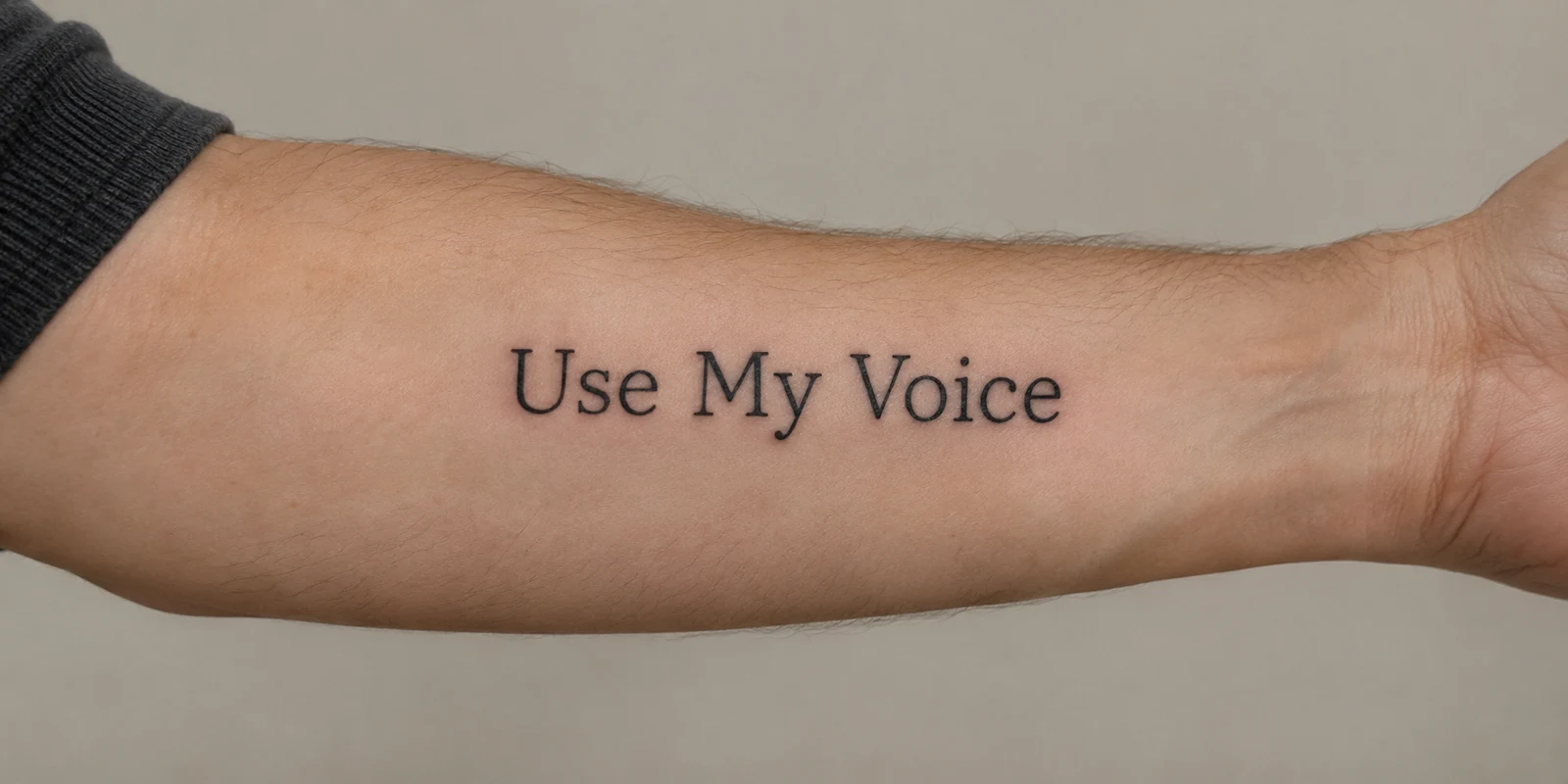
Choose words you’d actually say to yourself before singing. Restrained lettering keeps attention on the phrase; replace the example with your own wording if it feels more natural.
14. Original Lyric in Your Handwriting
Your own lyric becomes a line of handwritten script.
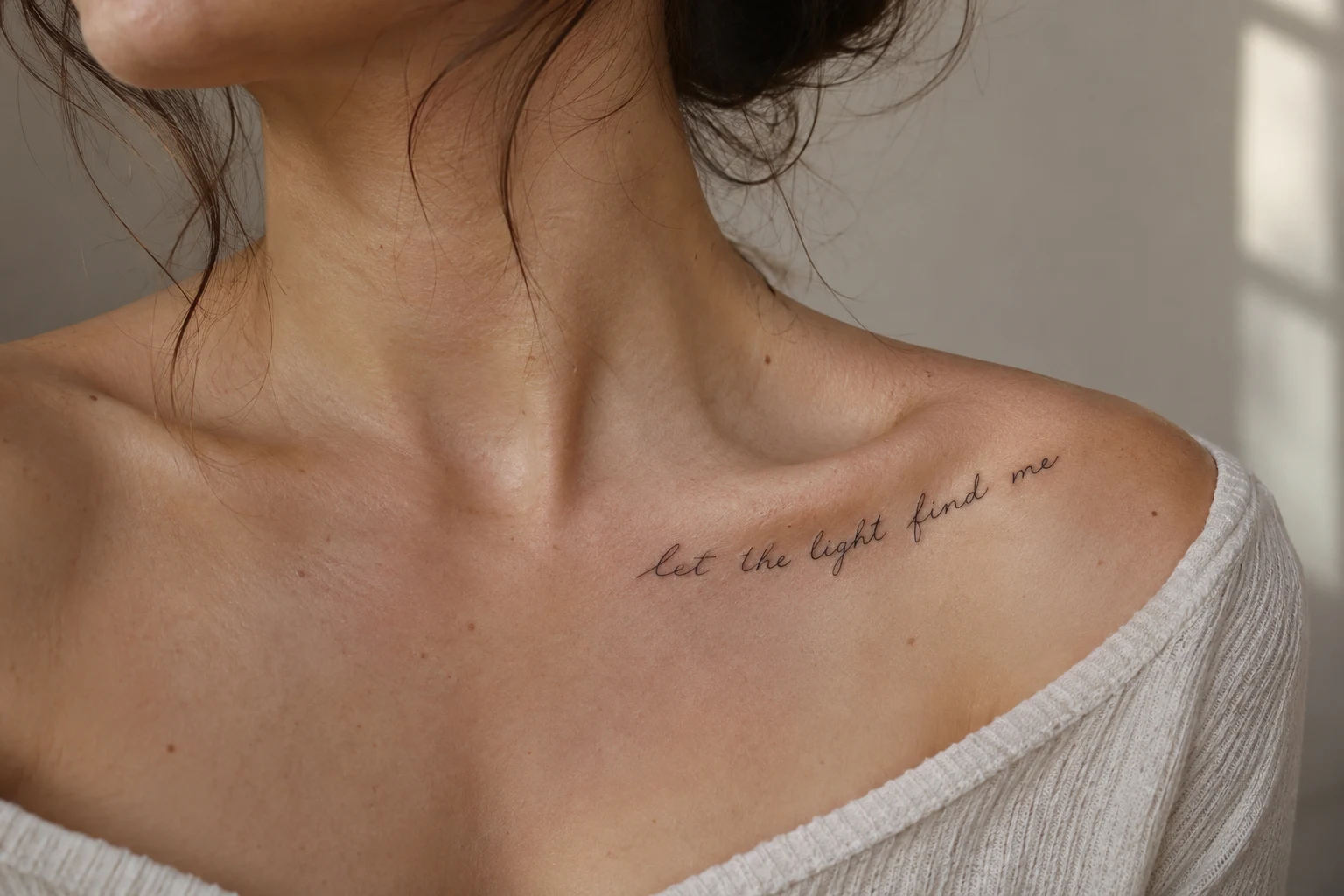
For a songwriter, a brief line can preserve a connection to the work. Start with a handwriting sample and choose a passage that feels complete without the rest of the song.
15. Personal Vocal Identity in Bold Type
Bold vertical lettering makes “Vocalist” the central image.
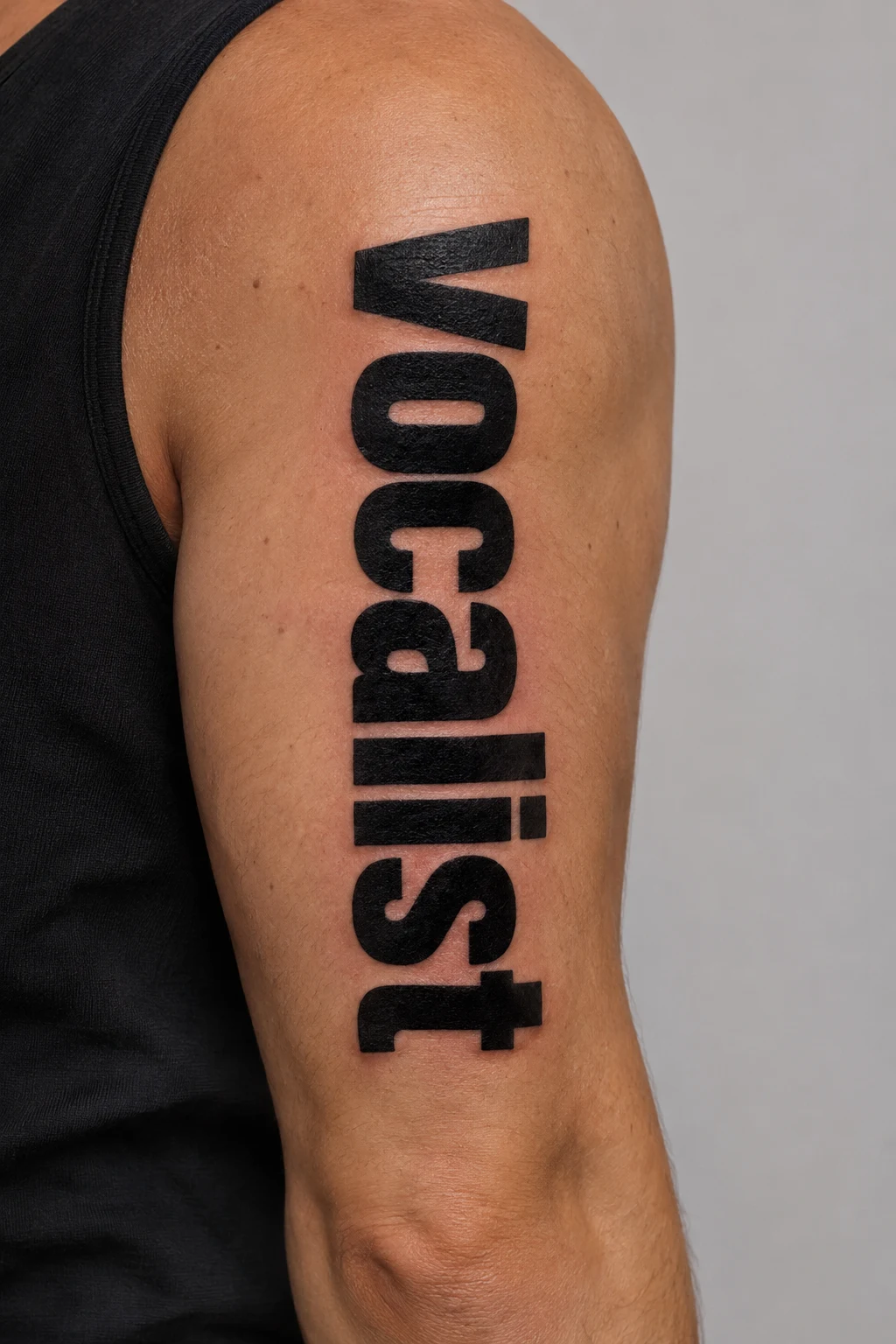
This suits someone who wants a direct statement about their singing practice. Choose a word that feels accurate to you, then compare letter weight and spacing at the intended size.
16. Handwritten Encouragement From Someone Important
A short message preserves a supportive person’s handwriting.
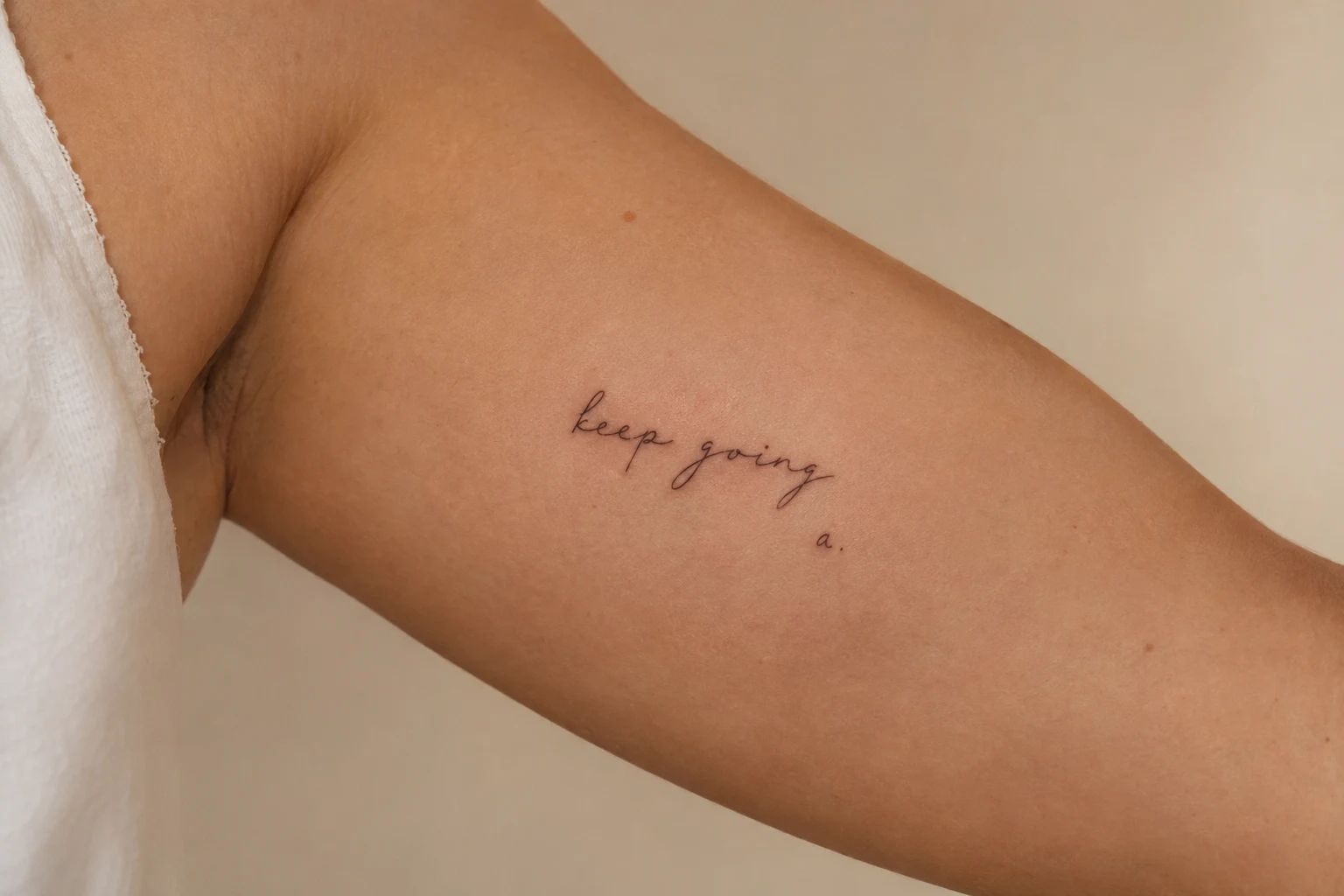
Use an actual note from a teacher, bandmate, or loved one whose encouragement matters to your singing story. Supply the original handwriting and check the wording and signature in the final design.
Microphones and Vocal Performance Gear
Choose equipment you associate with performing or recording. Familiar shapes can make these designs feel specific to your routine.
17. Vintage Microphone
A rounded grille gives this microphone a distinctive silhouette.
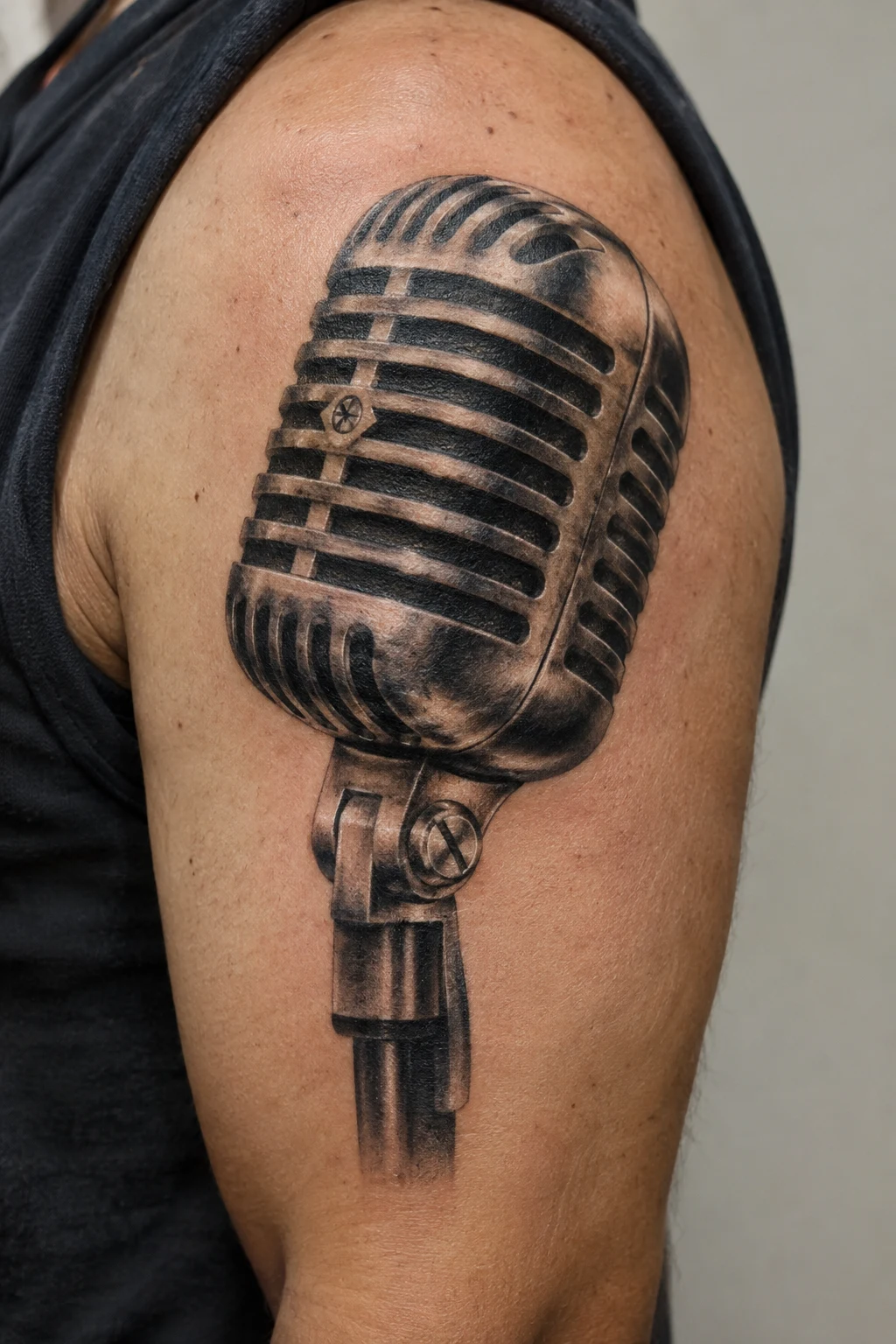
If you’re drawn to classic stage imagery, consider this rounded microphone shape. A shaded version emphasizes the object’s form, while a simplified treatment puts more attention on the grille and outline.
18. Handheld Microphone With a Looping Cable
A loose cable loop extends the microphone’s composition.
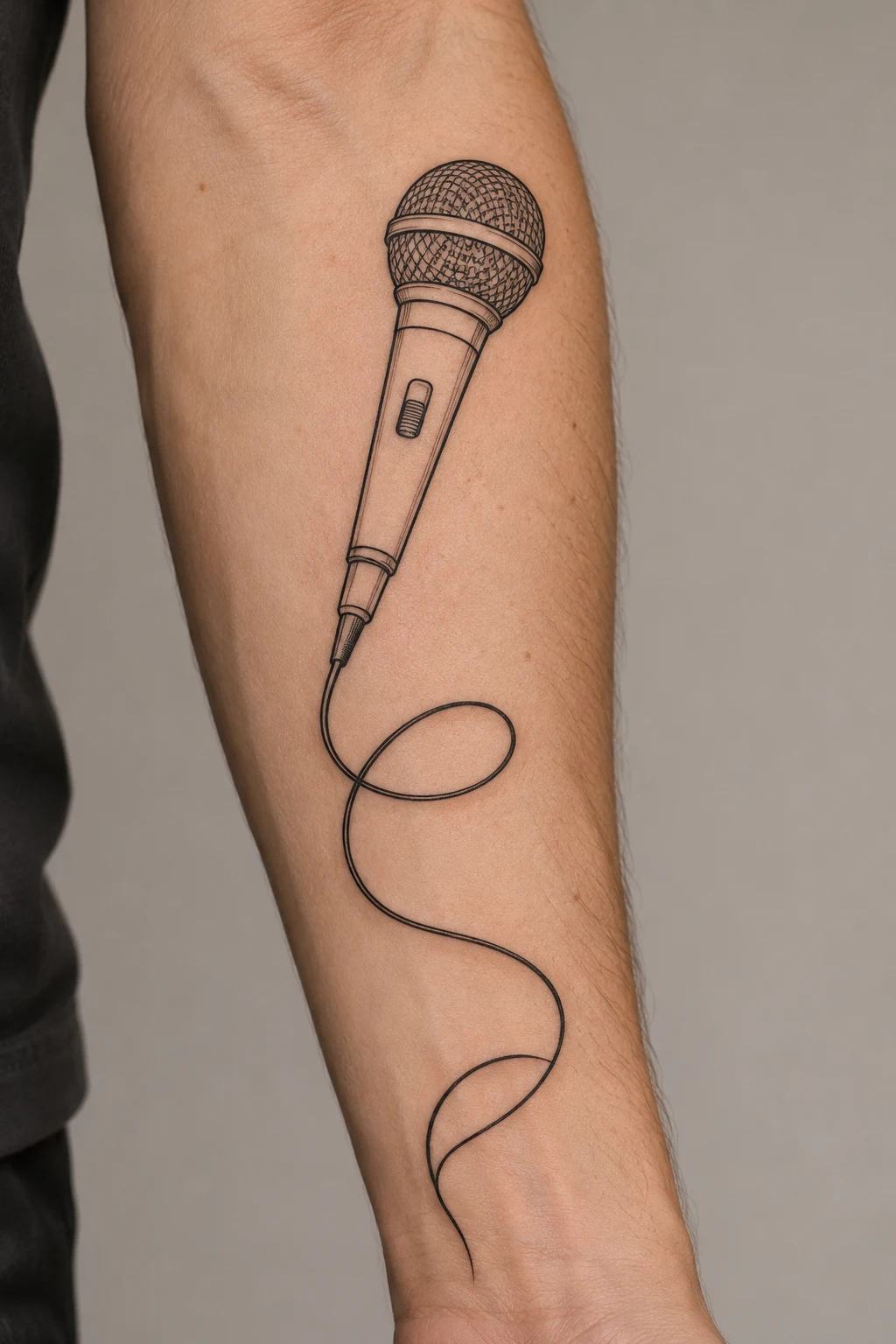
A handheld microphone can appeal to live vocalists drawn to familiar stage equipment. Let the cable follow the chosen placement, and keep the loop deliberate so it remains a clear part of the design.
19. Paired In-Ear Monitors
Curving cables connect two small shells with blue accents.
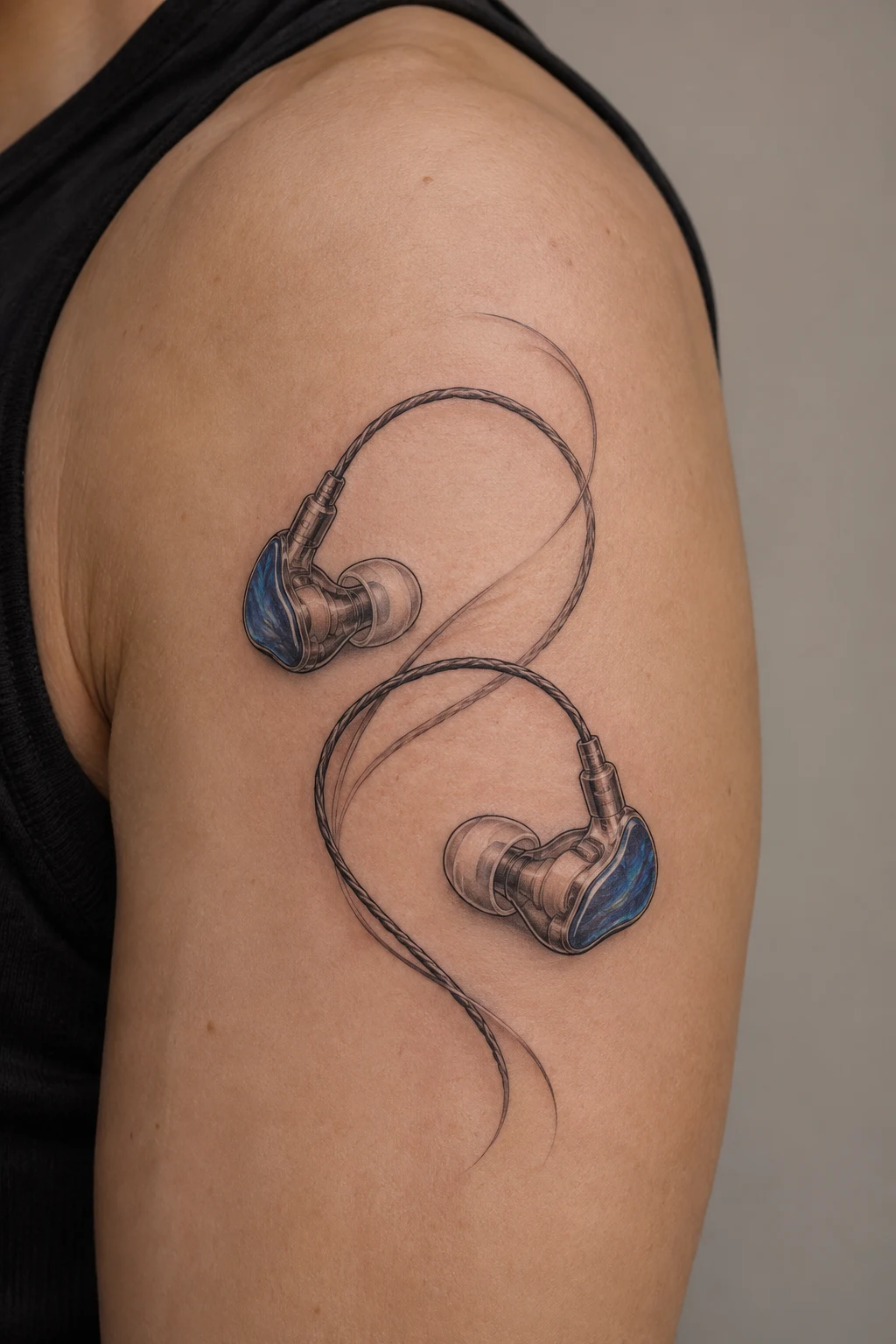
If in-ear monitors belong to your performance routine, use your own pair as a reference. Their shell shapes or colors can make the concept personal without adding words or a date.
20. Studio Headphones
Separated ear cups and a padded headband define this compact design.
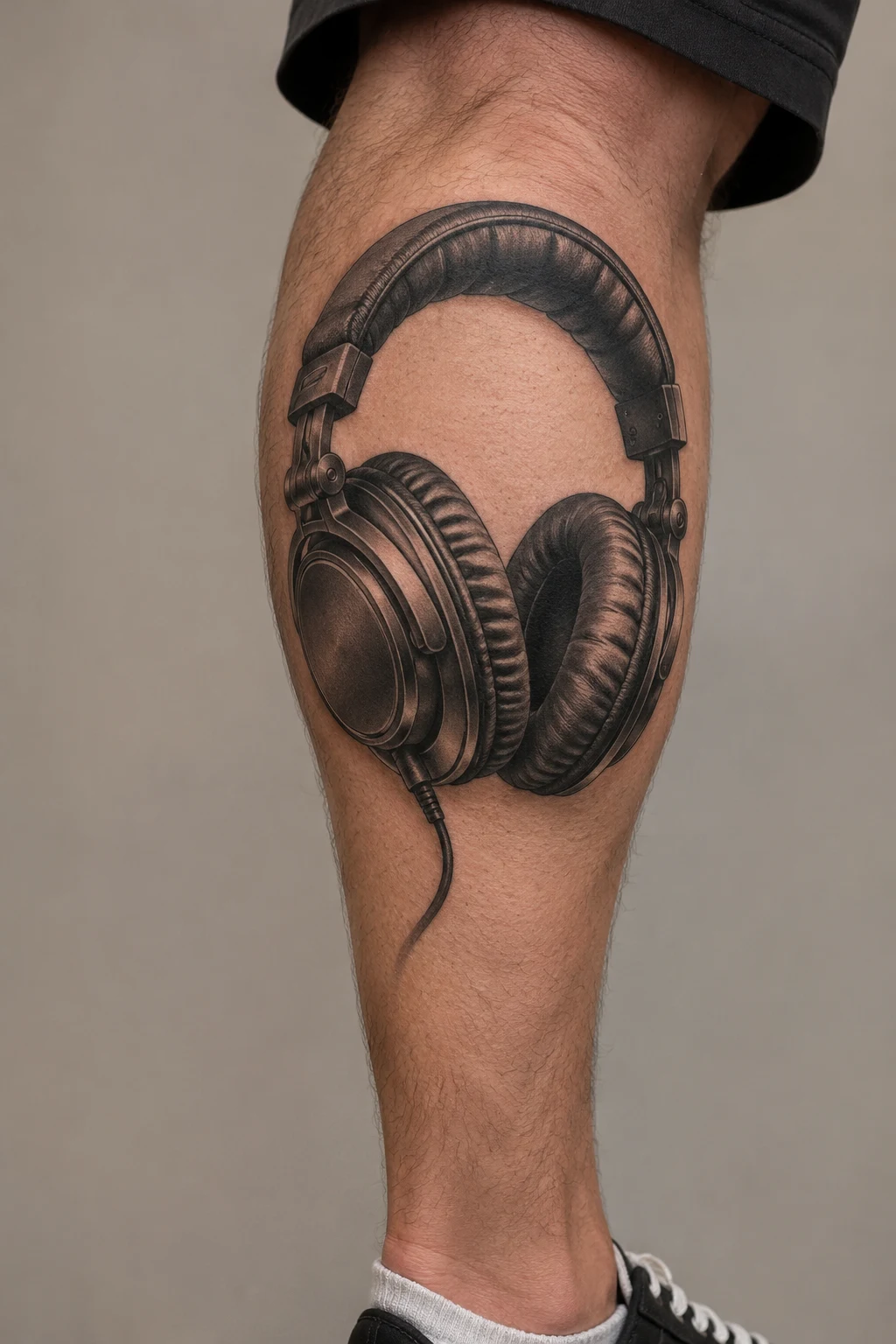
Choose headphones if rehearsing or recording feels central to your singing story. Keep the silhouette clear, and consider using the shape of a familiar pair to strengthen that personal connection.
Shortlist one subject, one visual style, and one placement, then discuss scale and detail with your tattoo artist. For a wider comparison of musical themes, explore tattoos for music lovers.

